
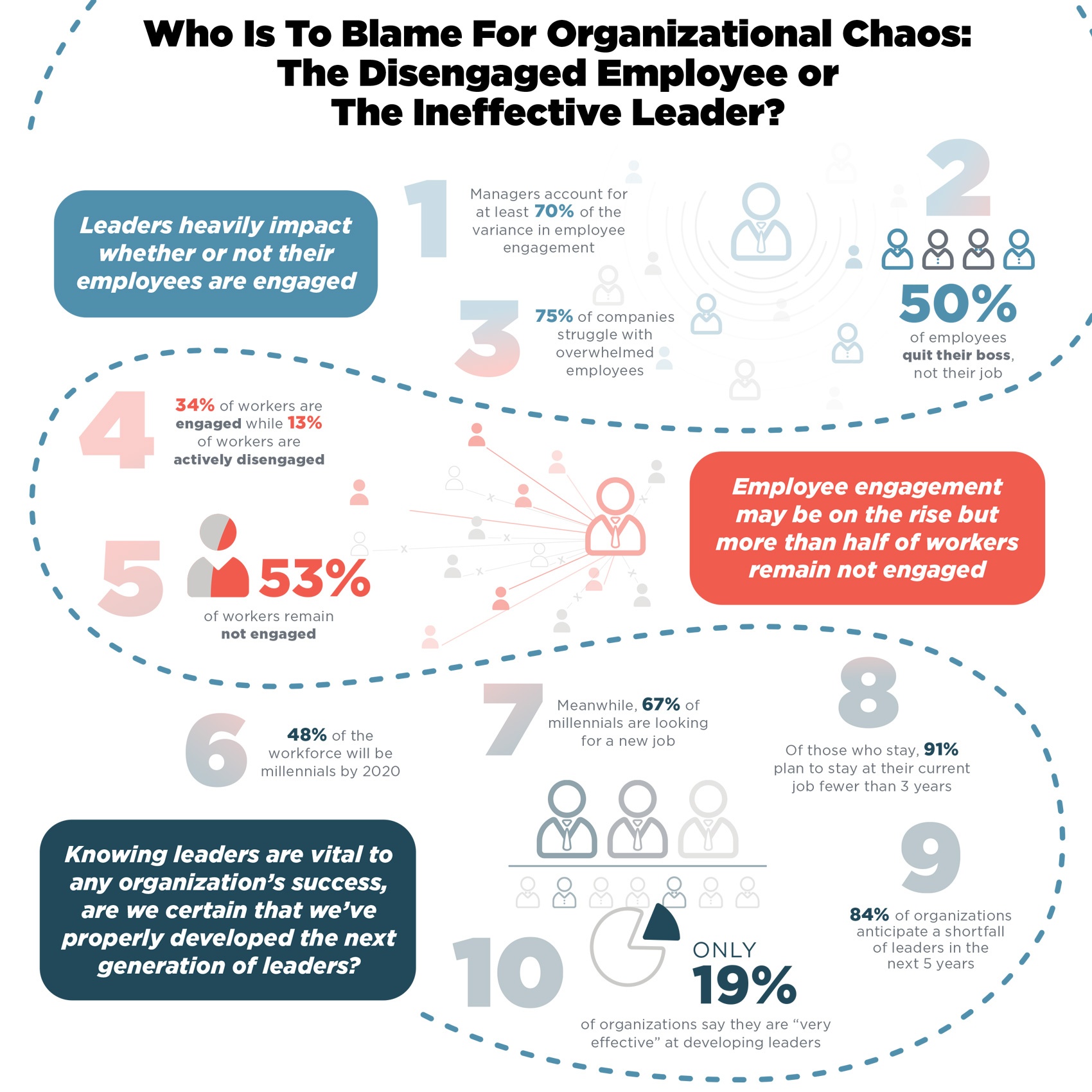
Which came first? The chicken or the egg? It's kind of like that when considering the source of employee disengagement. Is it the employee's fault for being not engaged, or does the onus fall on leaders for creating the communication chasm that leads to disengagement?

Pace is closely related to a person's behavioral style. Observing a room of people and watching the pace at which they move can be a great way to determine various behavioral styles. Building teams that have multiple styles can often times produce the best work because of the complementary skills.

Do you live your life by what drives you or do you react to life through fear? The predominant fears of each of the four behavioral styles are very unique from each other.

The thought of financial freedom and having the ability to live life on your terms is the dream of many. Is there a secret recipe to becoming independently wealthy? A study of 177 self-made millionaires revealed these six common threads to finding financial success.

There was a perpetual give and take, push and pull, that made The Beatles work. John and Paul were clearly each other’s yin and yang. The opposite but complementary behaviors and drivers closed all the gaps and filled all the holes, making The Beatles an unmatched force in the music world.

John Lennon and Paul McCartney formed one the greatest songwriting partnerships in the history of recorded music. The Beatles changed the world in their eight years as a popular music powerhouse. John and Paul couldn’t have been more opposite, when viewed from a behavior and driver perspective.