The DISC personality assessment sheds light on the many personalities around us. It helps us understand the 8 DISC personality types and how they shape our actions, especially in the workplace.
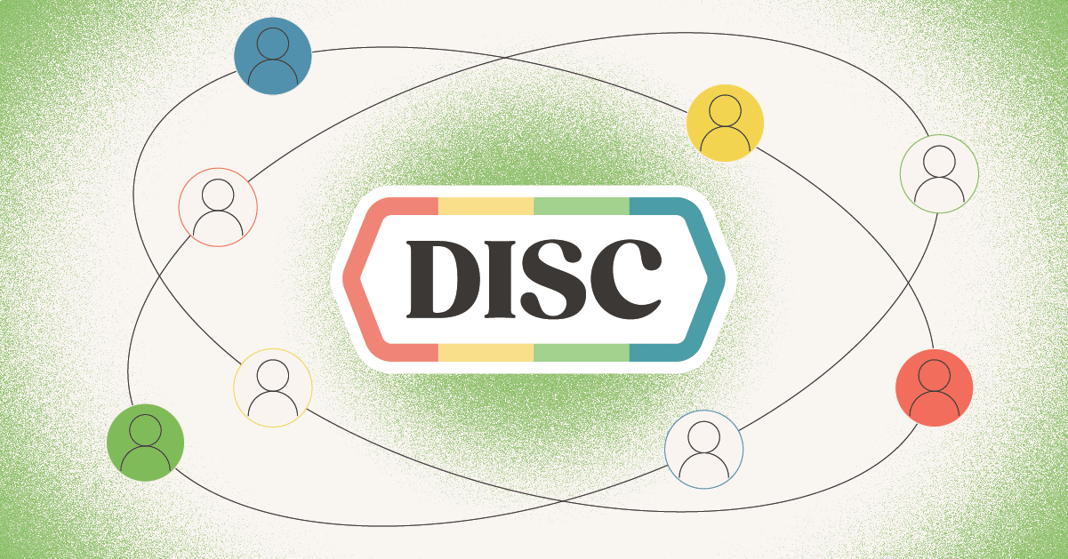
The DISC model breaks down into Dominance, Influence, Steadiness, and Compliance. Each letter in DISC stands for a behavioral factor that encompasses personality traits. Each factor has a range of key characteristics of DISC personalities. This range creates 8 unique DISC personality styles.
Knowing these styles is not just for entertainment; it's useful in many ways, personally and professionally. It helps improve how we talk to each other, work together, and connect on a deeper level. The DISC personality assessment can change how we interact with others.
Key Takeaways
- The DISC model categorizes personalities into Dominance, Influence, Steadiness, and Compliance.
- There are 8 DISC personality types, which offer nuanced insights into human behavior.
- Understanding DISC personality styles can improve communication and teamwork in various settings.
- The DISC personality assessment is widely used in both personal and professional development.
- Recognizing the key characteristics of DISC personalities helps improve relational dynamics.
Introduction to the DISC Model
The DISC model is key to personal growth and leadership. This model looks at how people see themselves and their world. TTI Success Insights has expanded the model, making DISC profiles more useful tools to understanding people.
At work, the DISC model helps build strong teams and better communication. It guides leaders in making smart decisions. It's also useful in personal relationships, helping people get along better and resolve conflicts.
It's important to remember that DISC profiles can change over time. People can move along the behavior continuum based on their life experiences. Knowing about DISC profiles helps both individuals and groups work better together.
It’s also essential to view your DISC profile holistically. You’re not just your primary style; you’re a combination of your high and low scores, through every factor. A DISC assessment that claims you’re solely one thing is reductive and does not give you the most out of the tool. People are more complicated than just being a “type,” and your behavior matters in every factor of DISC, for every facet of your life.
Understanding the 8 DISC Personality Types
TTI’s DISC model breaks down personality into eight types, each with its own way of acting and interacting. Using the DISC personality assessment tool helps us see these differences. Knowing what are the 8 DISC personality types helps us understand team dynamics better.
These types fall into four main groups: Dominance (D), Influence (I), Steadiness (S), and Compliance (C). Let's look at the eight types:
- Dominance: This behavioral factor measures how someone responds to problems and challenges.
- If your highest score is D, you are a Direct communicator.
- If your lowest score is D, you are a Reflective communicator.
- Influence: This behavioral factor measures how someone chooses to influence people and contacts.
- If your highest score is I, you are an Outgoing communicator.
- If your lowest score is I, you are a Reserved communicator.
- Steadiness: This behavioral factor measures how someone responds to pace and consistency.
- If your highest score is S, you are a Steady communicator.
- If your lowest score is S, you are a Dynamic communicator.
- Compliance: This behavioral factor measures how someone responds to procedures and compliance.
- If your highest score is C, you are a Precise communicator.
- If your lowest score is C, you are a Pioneering communicator.
Knowing the key characteristics of DISC personalities helps improve teamwork and personal growth. Each type has its own strengths and weaknesses:
- Direct communicators (High D) are bold and straightforward. These stereotypical leaders might become demanding under stress.
- Reflective communicators (Low D) are supportive and team-focused. They might avoid conflict, but will invest in their team’s success.
- Outgoing communicators (High I) are chatty, great speakers, persuasive, and motivated by interpersonal connections. They can be scattered or appear insincere under pressure.
- Reserved communicators (Low I) are focused, interested in data, and less social than their peers. They can appear standoffish under pressure and are driven by results.
- Steady communicators (High S) are group-oriented, focused on developing routines, and value a peaceful working environment. They can be hesitant or passive-aggressive under pressure, but always care about their teams.
- Dynamic communicators (Low D) are fast-moving, bold in their approach, forward-thinking, and interested in engaging across different aspects of work. They can be unreliable or unfocused under pressure.
- Precise communicators (High C) are meticulous, data-driven, detail-oriented, and great at the data side of project management. They can become stubborn and inflexible under pressure.
- Pioneering communicators (Low C) are visionaries, big-picture thinkers, and dreamers. They can be very inspiring, but might not value processes in their pursuit of excellence, coming across as disorganized.
The DISC personality assessment tool helps us understand and grow these traits. It improves how we communicate and work together. Recognizing the flexibility in DISC helps us connect and grow authentically.
Conclusion
Understanding the 8 DISC personality types is key for personal and professional growth. It helps us see our strengths, how we communicate, and our behaviors. This knowledge makes our work and personal lives better.
The DISC model gives us tools for better communication and teamwork. These are vital for reaching our goals and improving how we work together.
Using the DISC personality assessment boosts self-awareness and empathy. This leads to a culture of respect and cooperation. It makes decision-making, solving conflicts, and overall happiness better in any group.
In short, TTI’s DISC model is a great tool for growth. It helps us find new ways to communicate and work together. This makes our workplaces better and more supportive.
Explore our assessment solutions at TTI Success Insights today and get started.