More than 80% of Fortune 500 companies use personality tests to boost teamwork. A popular workplace tool that goes beyond a simple personality test is the DISC assessment test. This assessment helps us understand how people behave and interact.
This assessment is not just about categorizing people. It's about improving how we work together and grow personally. That’s why it's a key tool for HR experts in the U.S. to make workplaces better.
Key Takeaways
- The DISC assessment test is widely used by leading corporations to understand employee personality traits and behavioral styles.
- DISC stands out due to its unique focus on behavioral tendencies and interpersonal relationships.
- Understanding the DISC assessment meaning is vital for improving communication and teamwork.
- A DISC personality test offers benefits beyond the workplace, aiding in personal development.
- The test's application in various settings substantiates its versatility and broad appeal.
Exploring the Fundamentals of DISC Assessment
The DISC assessment is a powerful tool for personal growth and business management. It helps us better understand ourselves and others, making communication and work more efficient.
Introduction to DISC Assessment
The DISC assessment reveals our personality traits. It helps us know how we behave in different situations. Knowing DISC helps us improve our interactions at work and in our personal lives.
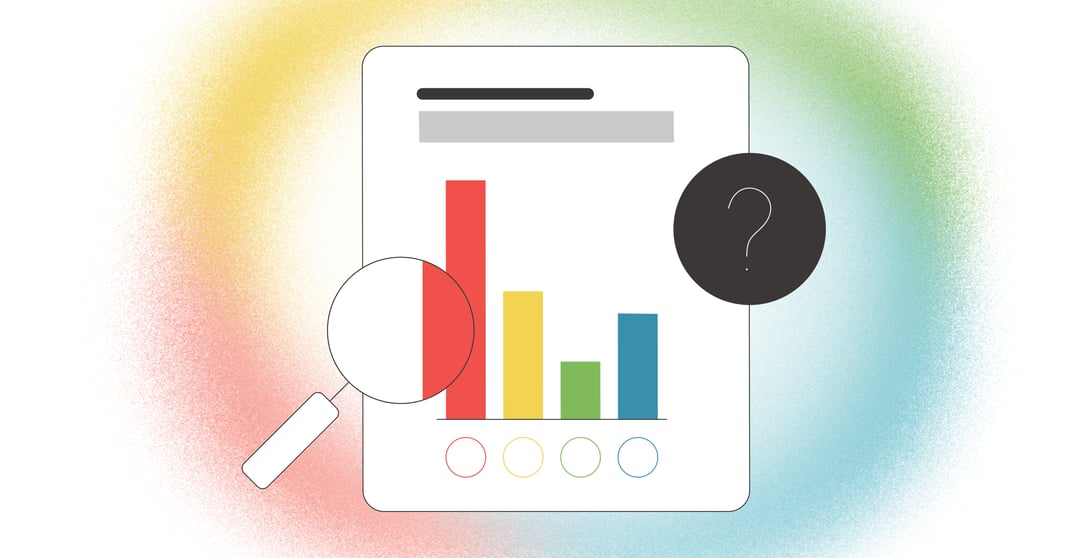
The DISC test shows four main behavior types: Dominance, Influence, Steadiness, and Compliance. Each type gives us clues about how we like to behave and communicate with others.
How DISC Assessment Works
Taking TTI’s DISC assessment is easy but informative. You review descriptions of traits and rank them based on your behavior, then you get a detailed report on your traits, communication style, and interactions with others.
This report is key to understanding ourselves better. It helps us see how we solve problems, work with others, and lead. This knowledge helps us grow and communicate better.
Components of the DISC Model
The DISC model has four parts that show how we behave:
- Dominance: This behavioral factor measures how someone responds to problems and challenges.
- Influence: This behavioral factor measures how someone handles people and contacts.
- Steadiness: This behavioral factor measures how someone handles pace and consistency.
- Compliance: This behavioral factor measures how someone handles procedures and constraints.
Each factor affects how we work and interact with others. Understanding DISC helps us better leverage our strengths, which improves teamwork and productivity.
Understanding the Impact of DISC Assessment
DISC assessments do more than just categorize personalities. They are key to creating a smooth, productive work environment. They help improve how we interact, communicate, and work together as a team. This section explores how DISC assessments can help individuals and organizations grow.
- Team Building: DISC assessments help team members better understand one another. They show how different personalities can work well together, leading to better teamwork and more efficiency.
- Leadership Development: Leaders who know their DISC profile and that of their team can lead better. They learn to communicate and motivate in ways that work for everyone. This creates a positive work culture.
- Conflict Resolution: Knowing how different personalities communicate helps solve conflicts. DISC makes the workplace more supportive and less prone to misunderstandings.
- Enhanced Awareness: DISC helps people learn about their own behaviors and communication patterns, which significantly contribute to personal and professional growth. It helps them use their strengths and turn weaknesses into opportunities.
- Improved Productivity: When teams communicate well and leaders understand their team’s behavioral needs, productivity goes up. This improves not just work output but also morale and job satisfaction.
DISC assessments offer many benefits, like better teamwork, more focused leadership, increased awareness, and improved productivity. Using DISC assessments in training can lead to lasting growth and better relationships in the workplace.
Let's remember the true purpose of the DISC assessment test. It's not about sorting people into categories. It's a tool that helps us understand our behavior and how we work with others. This understanding is key to better teamwork and communication at work.
It reveals our own behavioral patterns and how we show up in the world. This knowledge can help us grow personally and professionally. That’s how the DISC assessment works.
The DISC assessment is a powerful tool for personal and professional growth. It helps us understand ourselves and others better. This knowledge can lead to lasting improvements in our personal and work lives.
Whether you are a leader who wants to use personality assessments in your organization or a consultant who wants to use them with your clients, you’re in the right place. Working with TTI is easy.
FAQ
What exactly is a DISC assessment test?
A DISC assessment is a tool for understanding behavior. It helps improve communication and teamwork. It shows how to use individual styles for better job performance.
How does DISC assessment work?
The DISC assessment scores people according to four main behavioral factors: Dominance, Influence, Steadiness, and Compliance. This gives insights into their behavior and how they interact with others.
What components constitute the DISC model?
The DISC model has four main parts. Dominance measures how you handle problems and challenges. Influence measures how you handle people and contacts. Steadiness measures how you handle pace and consistency. Compliance measures how you handle procedures and constraints.
Can you explain the importance of the DISC assessment in professional settings?
In work settings, DISC assessments are key. They help teams work better together. They improve communication, understanding, and conflict resolution. Leaders can manage their teams based on each member's strengths.
What are the key benefits of taking a DISC assessment?
Benefits of a DISC assessment include better awareness and communication. It helps with leadership and increases productivity. These benefits are important for personal growth and a better workplace.
Who should consider taking a DISC personality test?
Anyone looking to grow personally or improve workplace interactions should take a DISC test. It's great for team leaders, HR, managers, and those who deal with clients.
How is the DISC assessment meaningful for team building?
The DISC assessment helps with team building by showing how team members work and communicate. It helps create balanced teams with the right skills. This leads to a more cohesive and effective team.
Does the DISC assessment help with conflict resolution?
Yes, the DISC assessment helps in solving conflicts. It shows the reasons behind misunderstandings. It helps people understand different communication styles, leading to better solutions.
In what ways can leaders use DISC assessments for their benefit?
Leaders can use DISC assessments to tailor their management. They can improve coaching and mentoring. This approach leads to more motivated and effective teams.
Is there a specific industry or sector where DISC assessments are most effective?
DISC assessments are useful in many industries. They work best in areas needing teamwork, leadership, and customer service. Roles that require good interpersonal skills also benefit.