
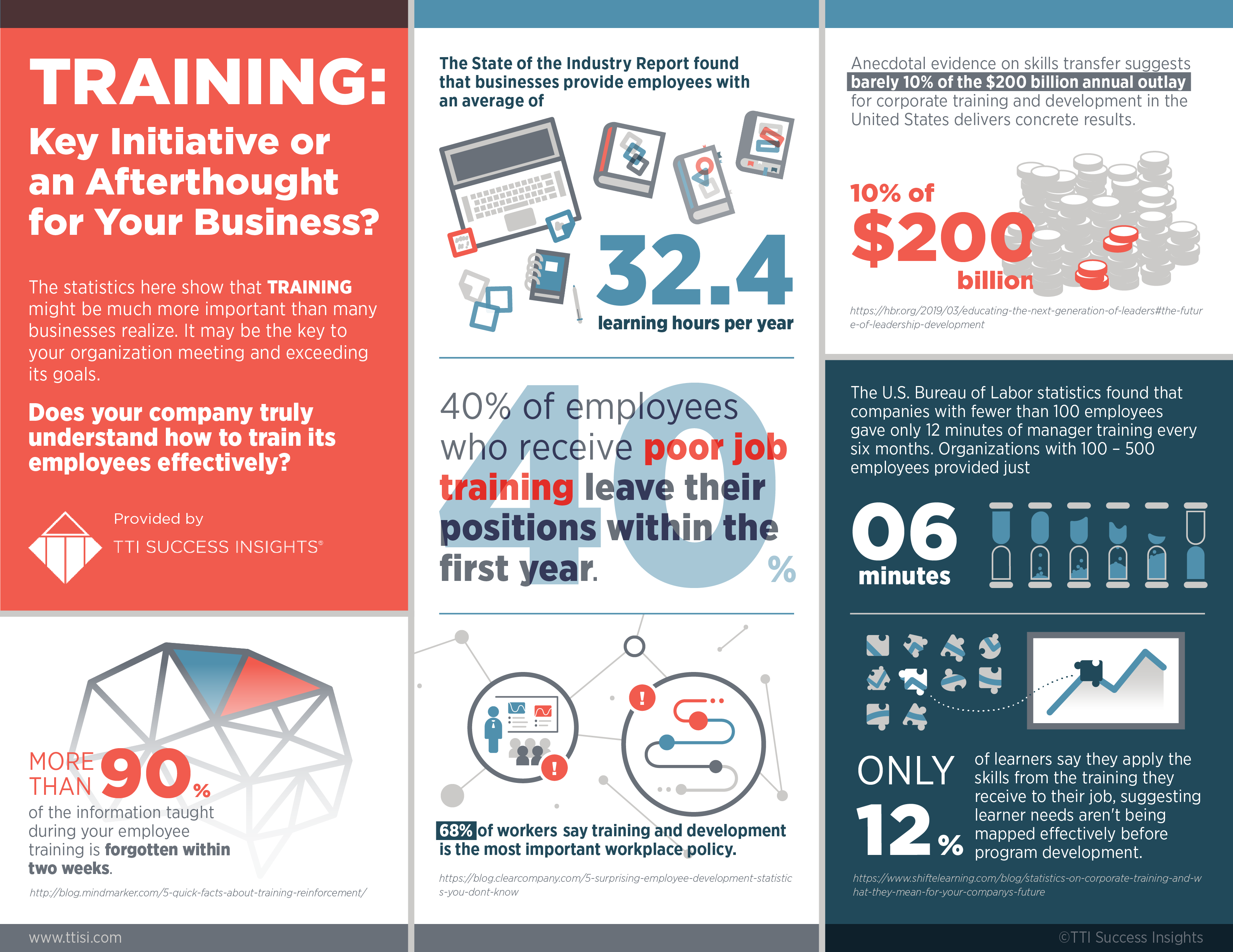
Most businesses understand the importance of training, yet many don't have a strategic plan to ensure their training is effective and worthwhile.

Do you and your manager connect on a human level? If so, you’re likely working for someone that embraces the human element of the boss/worker relationship.

As the latest graduating class leaves school, a question many will ask is where to start their careers. Here's 3 important questions graduates need to ask.
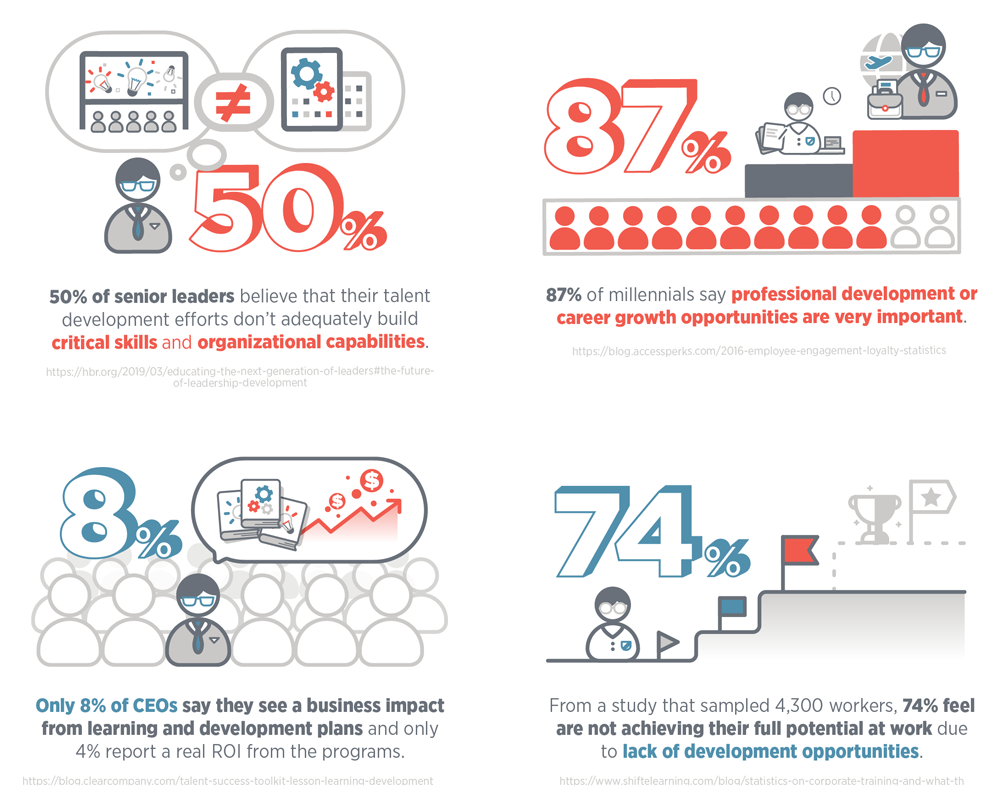
When it comes to organizational development, balancing employee needs, training, leadership development & growth opportunities are all important factors.

While leaders often think in terms of the big picture, small, focused teams are vital to an organization's success. Good team selection is critical for long-term results. Analyzing skills, behaviors, motivators and company culture can help a leader create the perfect teams.

Organizational development can be defined as the theory and practice of planned, systematic change in the attitudes, beliefs and values of employees. How does an organization get all of its employees to be part of the process? These seven strategies are a great place to start.